Essential Repair Services for Commercial and Multi-Unit Properties
Small commercial and multi-unit properties require specialized repair services to maintain their functionality and safety. These services encompass a wide range of maintenance tasks, ensuring that properties remain in optimal condition for tenants and owners alike. In this comprehensive guide, we will explore the essential aspects of small commercial and multi-unit repair services, including the types of repairs needed, the roles of various service providers, and budgeting tips for property managers. Understanding these elements is crucial for effective property management and can significantly impact the longevity and value of your investment. We will also discuss how integrated maintenance solutions can streamline repair management and address common questions related to property maintenance.
What Are Small Commercial and Multi-Unit Repair Services?
Small commercial and multi-unit repair services refer to the maintenance and repair tasks necessary to keep commercial properties and multi-unit residential buildings in good working order. These services are vital for ensuring safety, compliance with regulations, and tenant satisfaction. Property managers, contractors, and facility teams typically provide these services, each playing a crucial role in the overall maintenance strategy.
Defining Commercial Property Maintenance and Multi-Unit Building Repairs
Commercial property maintenance involves a variety of tasks aimed at preserving the functionality and appearance of a property. This includes routine inspections, repairs, and upgrades to systems such as plumbing, electrical, and HVAC. Multi-unit building repairs specifically address the unique challenges of maintaining shared spaces and systems, ensuring that all units operate efficiently and safely.
Who Provides These Repair Services? Contractors, Property Managers, and Facility Teams
The repair services for small commercial and multi-unit properties are typically provided by a combination of contractors, property managers, and facility teams. Contractors are often hired for specialized tasks, such as electrical or plumbing repairs, while property managers oversee the overall maintenance strategy and ensure that all repairs are completed in a timely manner. Facility teams may handle day-to-day maintenance tasks, providing immediate responses to tenant needs and emergencies.
Which Repair Services Are Essential for Small Commercial and Multi-Unit Properties?
Understanding the essential repair services for small commercial and multi-unit properties is crucial for effective property management. These services not only address immediate issues but also contribute to the long-term health of the property.
Electrical, Plumbing, HVAC, and Structural Repairs Explained
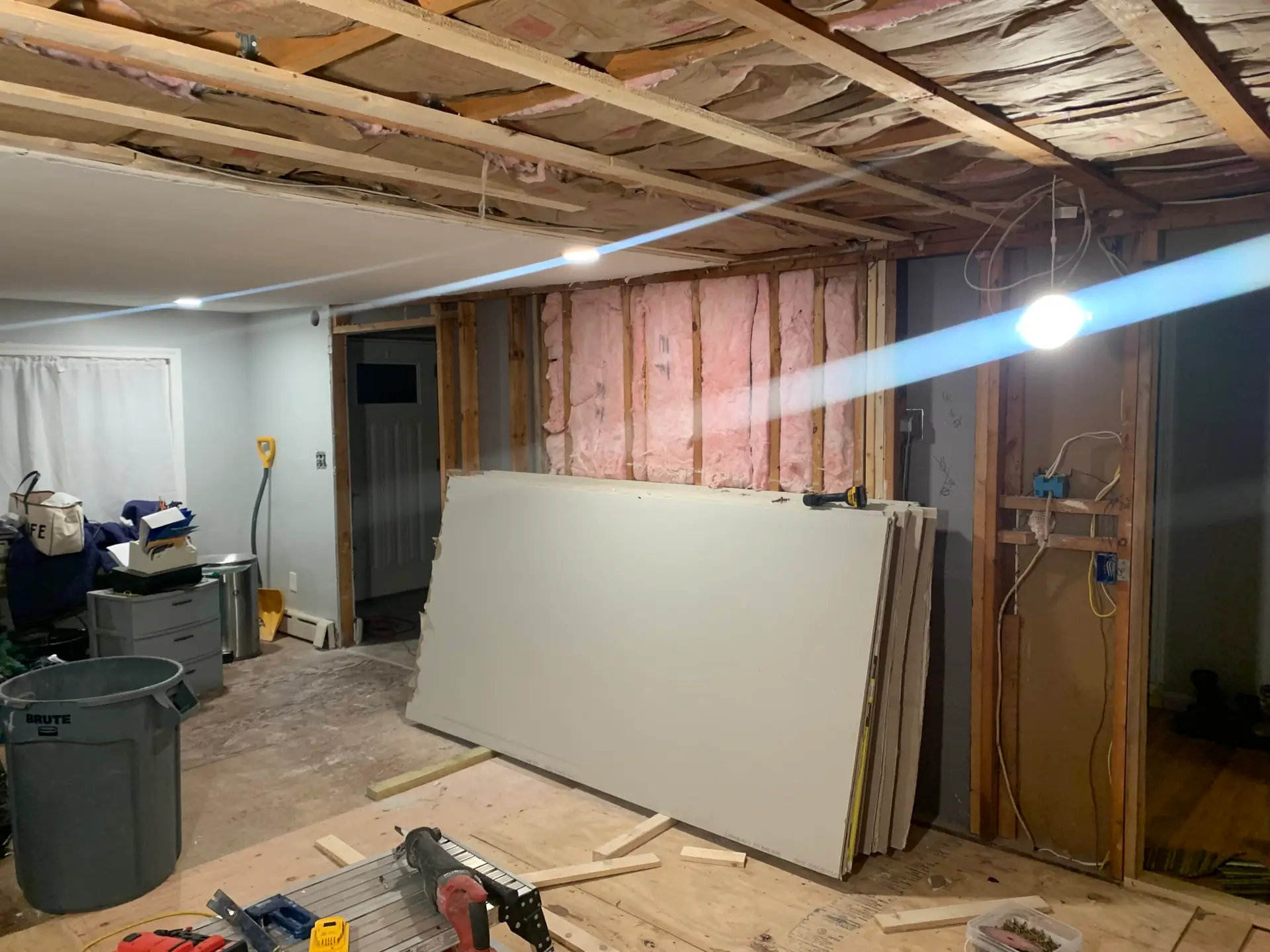
Essential repair services include electrical, plumbing, HVAC, and structural repairs. Electrical repairs ensure that all wiring and systems function safely and efficiently, while plumbing repairs address leaks, clogs, and other issues that can disrupt daily operations. HVAC repairs are critical for maintaining comfortable indoor environments, and structural repairs address any damage to the building’s framework, ensuring safety and compliance with building codes.
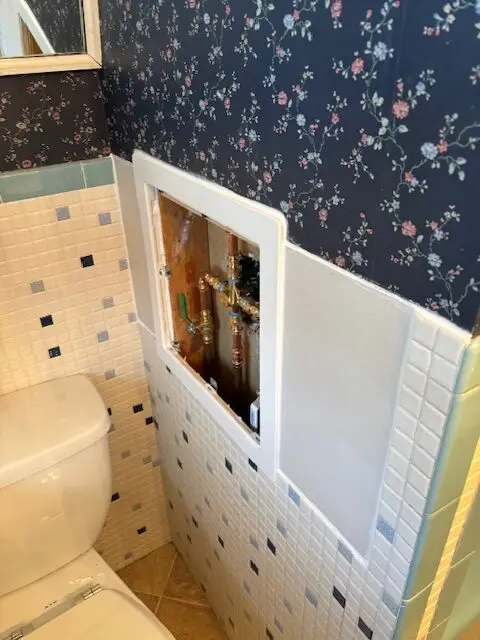
Emergency Repair Services: What You Need to Know
Emergency repair services are vital for addressing urgent issues that can arise unexpectedly, such as water leaks, electrical failures, or HVAC breakdowns. Quick response times are essential in these situations to minimize damage and ensure tenant safety. Property managers should have a reliable network of emergency service providers to handle these situations effectively.
For those seeking reliable repair services, it is essential to choose providers with a proven track record in handling small commercial and multi-unit properties. This ensures that repairs are conducted efficiently and to a high standard.
How Do Property Managers Handle Repair Responsibilities in Multi-Unit Buildings?
Property managers play a crucial role in overseeing repair responsibilities in multi-unit buildings. Their expertise ensures that maintenance tasks are scheduled and executed effectively, contributing to tenant satisfaction and property longevity.
Scheduling Maintenance and Inspections: Best Practices
Effective scheduling of maintenance and inspections is vital for preventing issues before they arise. Property managers should establish regular inspection schedules to identify potential problems early. Best practices include creating a maintenance calendar, prioritizing tasks based on urgency, and ensuring that all team members are aware of their responsibilities.
Choosing the Right Property Manager for Effective Repair Services
Selecting the right property manager is essential for effective repair services. Property owners should look for managers with experience in handling multi-unit properties, strong communication skills, and a proactive approach to maintenance. Key qualities to consider include their ability to manage budgets, coordinate with contractors, and respond to tenant needs promptly.
What Are the Costs and Budgeting Tips for Small Commercial Repair Services?
Understanding the costs associated with small commercial repair services is crucial for effective budgeting. Property managers must balance the need for quality repairs with the constraints of their budgets.
Typical Repair Costs for Commercial and Multi-Unit Properties
Typical repair costs can vary significantly based on the type of service required. For example, electrical repairs may range from $100 to $500, while plumbing repairs can cost between $150 and $750, depending on the complexity of the issue. HVAC repairs often fall within a similar range, with structural repairs potentially costing much more, depending on the extent of the damage.
Note: These price ranges can change depending on the scope of work.
| Service Type | Typical Cost | Budgeting Tips |
|---|---|---|
| Electrical Repairs | $100 – $500 | Schedule regular inspections to catch issues early. |
| Plumbing Repairs | $150 – $750 | Keep a reserve fund for unexpected plumbing emergencies. |
| HVAC Repairs | $100 – $600 | Invest in regular maintenance to extend system life. |
Note: These price ranges can change depending on the scope of work.
How to Budget for Regular Maintenance and Unexpected Repairs
Creating a budget for regular maintenance and unexpected repairs involves assessing the property’s needs and setting aside funds accordingly. Property managers should consider historical data on repair costs, allocate a percentage of rental income for maintenance, and maintain a contingency fund for emergencies. This proactive approach can help mitigate the financial impact of unexpected repairs.
How Can Integrated Maintenance Solutions Improve Your Property’s Repair Management?
Integrated maintenance solutions can significantly enhance the efficiency of repair management for small commercial and multi-unit properties. By leveraging technology and streamlined processes, property managers can improve communication, tracking, and scheduling of maintenance tasks.
Using Technology for Repair Tracking and Scheduling
Technology plays a crucial role in modern property management. Utilizing software for repair tracking and scheduling allows property managers to monitor maintenance requests, schedule inspections, and communicate with contractors effectively. This not only improves response times but also enhances transparency for tenants regarding the status of their requests.
Sustainability Practices in Commercial Property Maintenance
Incorporating sustainability practices into property maintenance can lead to long-term cost savings and environmental benefits. This includes using energy-efficient systems, implementing recycling programs, and selecting eco-friendly materials for repairs. Property managers should consider these practices as part of their overall maintenance strategy to promote sustainability and reduce operational costs.
What Are Common Questions About Small Commercial and Multi-Unit Repair Services?
Addressing common questions about small commercial and multi-unit repair services can help property owners and managers make informed decisions regarding maintenance and repairs.
How Often Should Multi-Unit Buildings Be Inspected for Repairs?
Multi-unit buildings should be inspected at least once a year to identify potential issues before they escalate. Regular inspections help ensure that all systems are functioning properly and that any necessary repairs are addressed promptly. Factors such as the age of the building and tenant turnover may influence the frequency of inspections.
What Services Are Included in Commercial Property Maintenance?
Commercial property maintenance typically includes a range of services, such as routine inspections, cleaning, landscaping, and repairs to electrical, plumbing, and HVAC systems. Comprehensive maintenance plans should also address emergency services and regular upgrades to ensure the property remains competitive in the market.
By understanding the essential aspects of small commercial and multi-unit repair services, property owners and managers can ensure their properties are well-maintained, safe, and appealing to tenants. This proactive approach not only enhances tenant satisfaction but also protects the value of the investment over time.
For more information and professional services, visit Next Step Property Services. Learn about their company background, explore their services, or get in touch via their contact page. They also offer specialized services such as rental turnover, kitchen remodeling, and bathroom remodeling to help maintain and enhance your property.